1. Sustainable & Recycled Materials: Weaving a Greener Future
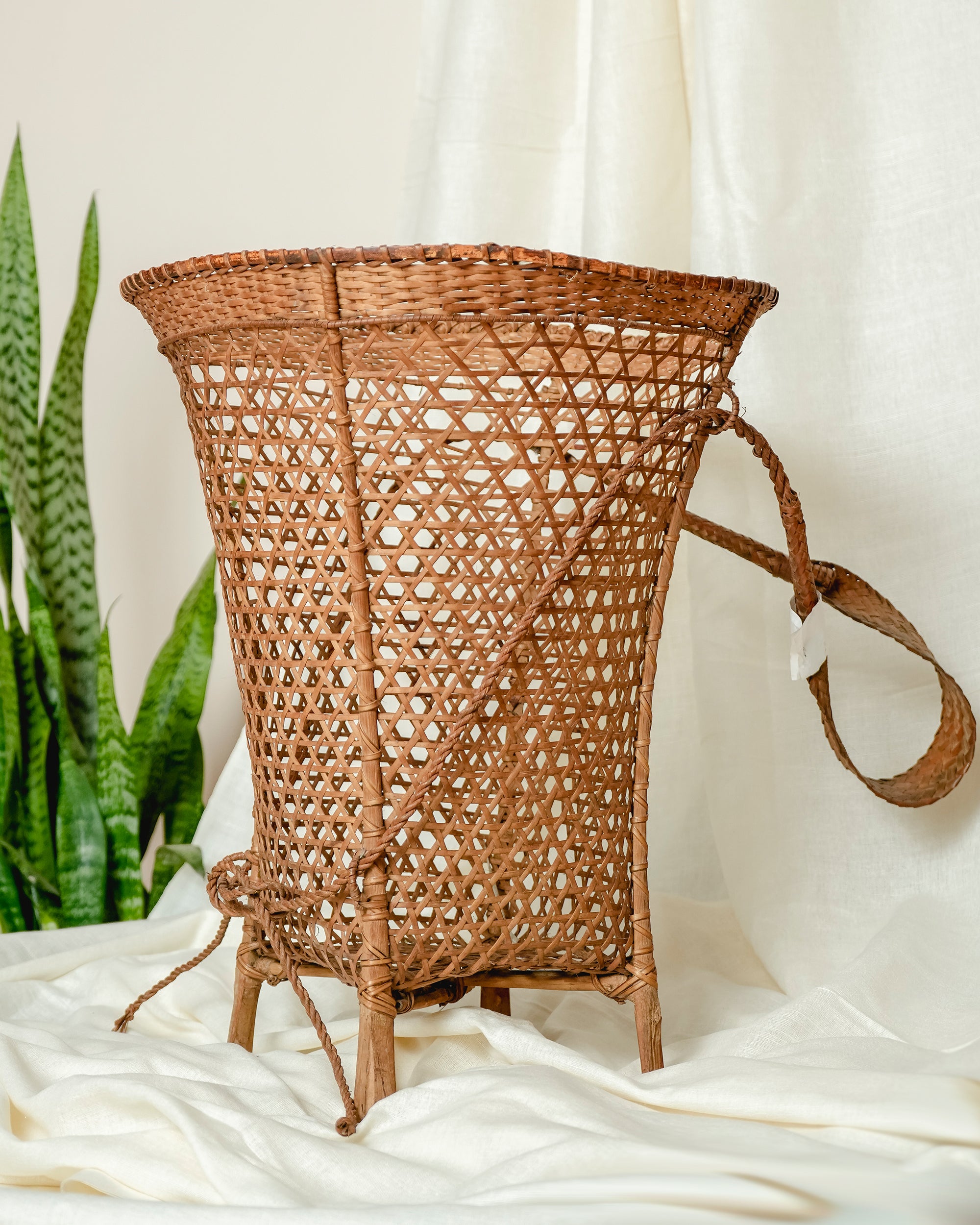
Key Features: Focus on eco-friendly materials like recycled plastics, sustainably harvested bamboo, seagrass, and even repurposed textiles.
Pros: Environmentally responsible, reduces waste, supports ethical sourcing, and adds a unique story to each piece.
Cons: Availability of specific materials may be limited, and the cost can sometimes be higher than conventional options.
Best for: Eco-conscious consumers, interior designers committed to sustainable practices, and anyone seeking unique, ethically sourced home decor.
2. Bold Colors & Graphic Patterns: A Modern Twist on Tradition
Key Features: Incorporating vibrant hues, geometric shapes, and eye-catching patterns into traditional weaving techniques.
Pros: Adds a playful and contemporary touch to any space, creates visual interest, and allows for personalization and artistic expression.
Cons: Bold colors may not suit all interior styles, and intricate patterns can be time-consuming to create, potentially increasing the price.
Best for: Those seeking to inject personality and color into their homes, art enthusiasts, and individuals who appreciate handcrafted statement pieces.
3. Sculptural Basketry: Art That Bends the Rules
Key Features: Moving beyond traditional basket shapes to create three-dimensional sculptures and art installations using weaving techniques.
Pros: Blurs the line between art and craft, offers a unique form of self-expression, and transforms everyday materials into extraordinary objects.
Cons: Requires advanced skill and creativity, may not be suitable for functional purposes, and can be expensive due to the labor-intensive nature of the work.
Best for: Art collectors, galleries, museums, and individuals who appreciate avant-garde design and unique artistic statements.
4. Basketry Lighting: Illuminating Spaces with Texture
Key Features: Utilizing woven materials to create lampshades, pendants, and other lighting fixtures that diffuse light in a soft and inviting way.
Pros: Adds warmth and texture to a room, creates a cozy ambiance, and offers a unique alternative to traditional lighting options.
Cons: Can be more difficult to clean than conventional lampshades, and the woven material may affect the brightness and color temperature of the light.
Best for: Homeowners seeking to create a warm and inviting atmosphere, interior designers looking for unique lighting solutions, and anyone who appreciates handcrafted details.
5. Woven Wall Hangings: Textural Art for Every Room
Key Features: Creating decorative wall art using various weaving techniques, textures, and materials.
Pros: Adds depth and visual interest to walls, offers a non-permanent alternative to paint or wallpaper, and allows for endless creative possibilities.
Cons: Can be difficult to hang securely, may require professional installation for larger pieces, and can accumulate dust over time.
Best for: Renters, homeowners looking to add texture to their walls, and anyone who enjoys collecting unique and handcrafted art.
6. Basketry Furniture: Functional Art for the Home
Key Features: Integrating woven elements into furniture design, such as chairs, tables, and storage units.
Pros: Adds a unique textural element to furniture, creates a natural and organic feel, and can be surprisingly durable and comfortable.
Cons: Can be more expensive than mass-produced furniture, may require specialized cleaning and maintenance, and may not be suitable for heavy use.
Best for: Design enthusiasts, homeowners seeking unique and sustainable furniture options, and those who appreciate handcrafted details.
7. Collaborations & Cross-Cultural Influences: A Global Tapestry
Key Features: Artisans from different cultures collaborating to create innovative designs that blend traditional techniques with modern aesthetics.
Pros: Promotes cultural exchange, supports fair trade practices, and results in unique and globally inspired designs.
Cons: Can be challenging to coordinate collaborations across different cultures and time zones, and the cost of production may be higher due to the complexity of the process.
Best for: Consumers seeking ethically sourced and globally inspired designs, art collectors, and interior designers interested in promoting cultural diversity.
Buying Guide: Weaving Through the Choices
- Material: Opt for sustainable and ethically sourced materials whenever possible.
- Craftsmanship: Look for pieces that are well-made and demonstrate attention to detail.
- Functionality: Consider the intended use of the basket and choose a piece that is appropriate for its purpose.
- Style: Select pieces that complement your existing decor and reflect your personal taste.
- Price: Set a budget and compare prices from different sources to ensure you are getting a fair deal.
Final Verdict: The Enduring Appeal of Basketry
Basketry, with its rich history and endless possibilities, continues to evolve and inspire. Whether you’re drawn to the sustainable materials, bold colors, or sculptural forms, there’s a basketry trend to suit every taste and style. By embracing this ancient craft, you can add texture, warmth, and a touch of artistry to your home while supporting artisans and promoting sustainable practices.