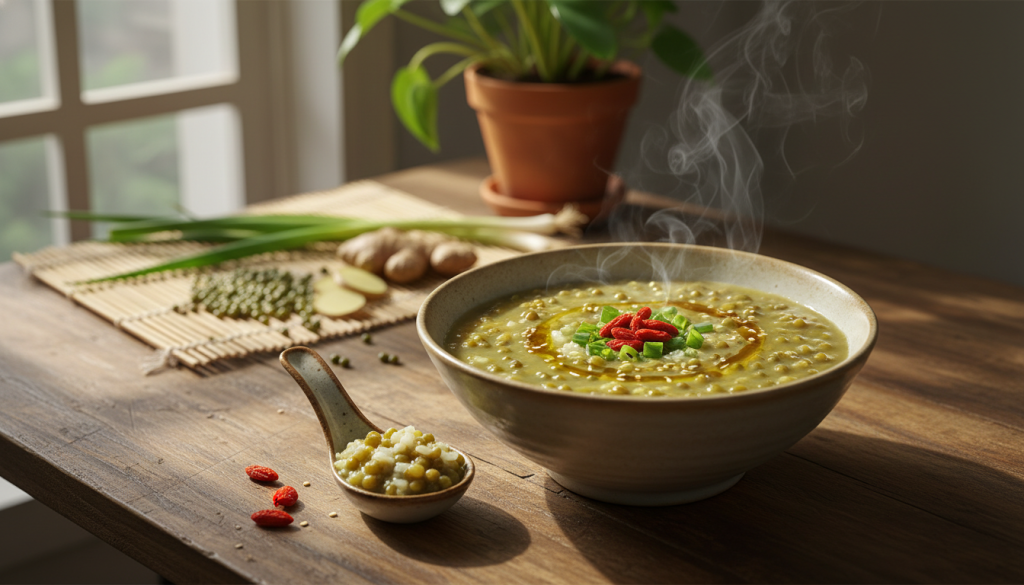
Mung bean porridge, often known as ‘Nokdujuk’ in Korea or ‘Moong Dal Khichdi’ in India, is a beloved dish cherished across many cultures for its incredible nutritional value and soothing properties. This simple yet profound meal is perfect for any time of day, offering a gentle warmth and a boost of essential nutrients. Whether you’re seeking a light breakfast, a comforting lunch, or a restorative dinner, this recipe will guide you to a perfect bowl of mung bean porridge.
Often recommended during recovery or for those with sensitive stomachs, mung bean porridge is renowned for being easy to digest while still being incredibly satisfying. Its mild flavor profile makes it an excellent base for various additions, allowing for both sweet and savory renditions to suit any palate.
Why Mung Bean Porridge? The Power of Mung Beans
Mung beans are small, green legumes packed with an impressive array of vitamins, minerals, and antioxidants. Incorporating them into your diet, especially in a comforting porridge form, offers numerous health advantages.
Health Benefits of Mung Beans
- Rich in Nutrients: Mung beans are an excellent source of protein, fiber, folate, manganese, magnesium, and B vitamins.
- Aids Digestion: The high fiber content promotes healthy digestion and can prevent constipation.
- Blood Sugar Regulation: They have a low glycemic index, helping to stabilize blood sugar levels.
- Heart Health: Mung beans can contribute to lower LDL cholesterol levels and reduce blood pressure.
- Antioxidant Properties: Loaded with antioxidants, they help combat free radical damage in the body.
A Versatile and Comforting Dish
Beyond its health benefits, mung bean porridge provides a unique sense of comfort. Its creamy texture and mild taste make it an ideal meal for chilly mornings, a quick recovery after an illness, or simply when you crave something wholesome and easy.
Essential Ingredients for Your Mung Bean Porridge
Creating a delicious mung bean porridge requires just a few key ingredients. The beauty lies in their simplicity and how they come together to form a nourishing meal.
Main Components
- Mung Beans: Approximately 1 cup, whole or split (skin-on or skinless).
- Rice: 1/2 cup, short-grain or long-grain white rice.
- Water or Broth: 6-8 cups, depending on desired consistency. Vegetable or chicken broth can add depth.
- Salt: To taste.
Optional Enhancements (Savory)
- Sesame Oil: A drizzle for nutty aroma.
- Garlic & Ginger: Minced, for aromatic flavor.
- Vegetables: Diced carrots, mushrooms, or spinach.
- Protein: Shredded chicken, firm tofu, or ground meat.
- Garnish: Chopped scallions, toasted sesame seeds, a fried egg.
Step-by-Step Mung Bean Porridge Recipe
Follow these instructions carefully to achieve a perfectly creamy and flavorful mung bean porridge.
Preparation
- Soak Mung Beans & Rice: Rinse 1 cup of mung beans and 1/2 cup of rice separately under cold water until the water runs clear. Soak them in separate bowls with plenty of water for at least 4 hours, or preferably overnight. Soaking significantly reduces cooking time and aids digestion.
- Drain and Rinse: After soaking, drain the mung beans and rice thoroughly. For a smoother porridge, you can remove the skins from the mung beans by rubbing them between your hands while rinsing, though this is optional.
Cooking Process
- Combine Ingredients: In a large pot or Dutch oven, combine the drained mung beans, rice, and 6 cups of water or broth.
- Bring to a Boil: Bring the mixture to a rolling boil over medium-high heat, stirring occasionally to prevent sticking.
- Simmer: Once boiling, reduce the heat to low, cover the pot, and let it simmer for 45-60 minutes, or until the mung beans and rice are very tender and have broken down, forming a thick, creamy consistency. Stir occasionally to ensure even cooking and prevent sticking to the bottom.
- Adjust Consistency: If the porridge becomes too thick, add more hot water or broth, a quarter cup at a time, until your desired consistency is reached.
Finishing Touches
- Season: Season generously with salt to taste. If making a savory version, this is the time to stir in any cooked vegetables or proteins, and a drizzle of sesame oil.
- Serve: Ladle the hot porridge into bowls. Garnish with chopped scallions, sesame seeds, or a fried egg if desired for savory versions, or a drizzle of honey for sweet.
Tips for the Perfect Mung Bean Porridge
Achieving porridge perfection is easy with a few simple techniques.
Soaking Mung Beans
- Crucial Step: Do not skip soaking! It drastically reduces cooking time and ensures the beans cook evenly and become very tender.
- Skin Removal: While optional, removing the skins results in a smoother, lighter-colored porridge. It’s a matter of preference.
Achieving the Right Consistency
- Patient Simmering: Low and slow cooking allows the grains to break down gradually, creating a naturally creamy texture without needing any dairy.
- Stirring: Regular stirring, especially towards the end, prevents the porridge from sticking and ensures even cooking.
Flavor Adjustments
Taste as you go! Adjust salt, and add any herbs or spices you prefer. A pinch of black pepper can also enhance savory versions.
Variations to Explore
Mung bean porridge is incredibly versatile. Experiment with these ideas to find your favorite rendition.
Savory Mung Bean Porridge (Korean Style – Nokdujuk)
Sauté minced garlic, ginger, and diced carrots or mushrooms in a little sesame oil before adding the soaked mung beans, rice, and broth. Finish with shredded cooked chicken or beef, a dash of soy sauce, and a sprinkle of chopped scallions and sesame seeds.
Sweet Mung Bean Porridge (Dessert Style)
After the porridge is cooked, stir in a sweetener like honey, maple syrup, or sugar to taste. You can also add a pinch of cinnamon or cardamom, and serve with fresh fruit or a sprinkle of chopped nuts.
Serving and Storage Suggestions
Serving Ideas
Serve your mung bean porridge hot. For savory versions, a side of kimchi, pickled radishes, or other fermented vegetables makes an excellent accompaniment. For sweet versions, a dollop of coconut cream or a handful of berries can elevate the dish.
Storage Guidelines
Leftover mung bean porridge can be stored in an airtight container in the refrigerator for up to 3-4 days. It will thicken considerably upon cooling. When reheating, add a splash of water or broth to loosen it to your desired consistency.
Embrace the comforting simplicity and profound nutrition of this mung bean porridge. It’s more than just a meal; it’s a bowl of warmth, health, and tradition. Enjoy creating this wholesome dish in your own kitchen!